Setting the Standard for Authentic Vintage
Helping collectors, dealers, retailers, auction houses, and buyers better understand what truly qualifies as vintage — through research, education, and authentication standards.
Vintage isn't just old.
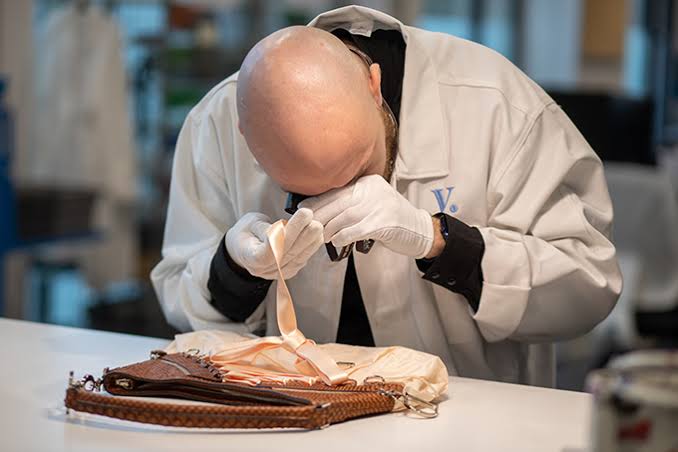
Every day, countless items are described as "vintage" simply because they appear old. True vintage classification requires much more than appearance.
Age, originality, manufacturing history, labels, trademarks, materials, provenance, production methods, historical context, and condition all contribute to determining authenticity.
We believe authenticity deserves more than opinion.
It deserves a standard.
Three commitments, one purpose.
Research
We investigate manufacturing history, production timelines, trademarks, materials, packaging, construction methods, and historical references.
Education
We promote a better understanding of vintage terminology, authentication methods, and collecting standards.
Standards
We're building consistent guidelines that increase trust throughout the vintage marketplace.
Understanding vintage, term by term.
Precise language is the foundation of authentication. Each entry opens an educational page dedicated to the term's history and criteria.
What makes something vintage?
Select the factors below to see how authentication is built. No single detail decides — it is the weight of the evidence, considered together.
Authentication is the weight of many contributing factors — never a single opinion.
Look for the Vintage Authentication Seal
The seal represents a commitment to evaluating vintage items using documented authentication principles and historical research — a transparent, repeatable methodology applied with care.
It is a mark of rigorous process, not a legal guarantee.
See the Standard in the Marketplace
Opa's Vintage Gal — a provenance-based New Old Stock dealer with access to a sealed, documented West Texas warehouse of authentic period inventory — is the first marketplace seller to apply the Vintage Authentication Institute seal. Browse their listings to see the standard in practice.
See the Seal in the Marketplace →
Building the future of vintage authentication.
Contact the Institute
For collectors, dealers, auction houses, press, and production inquiries.